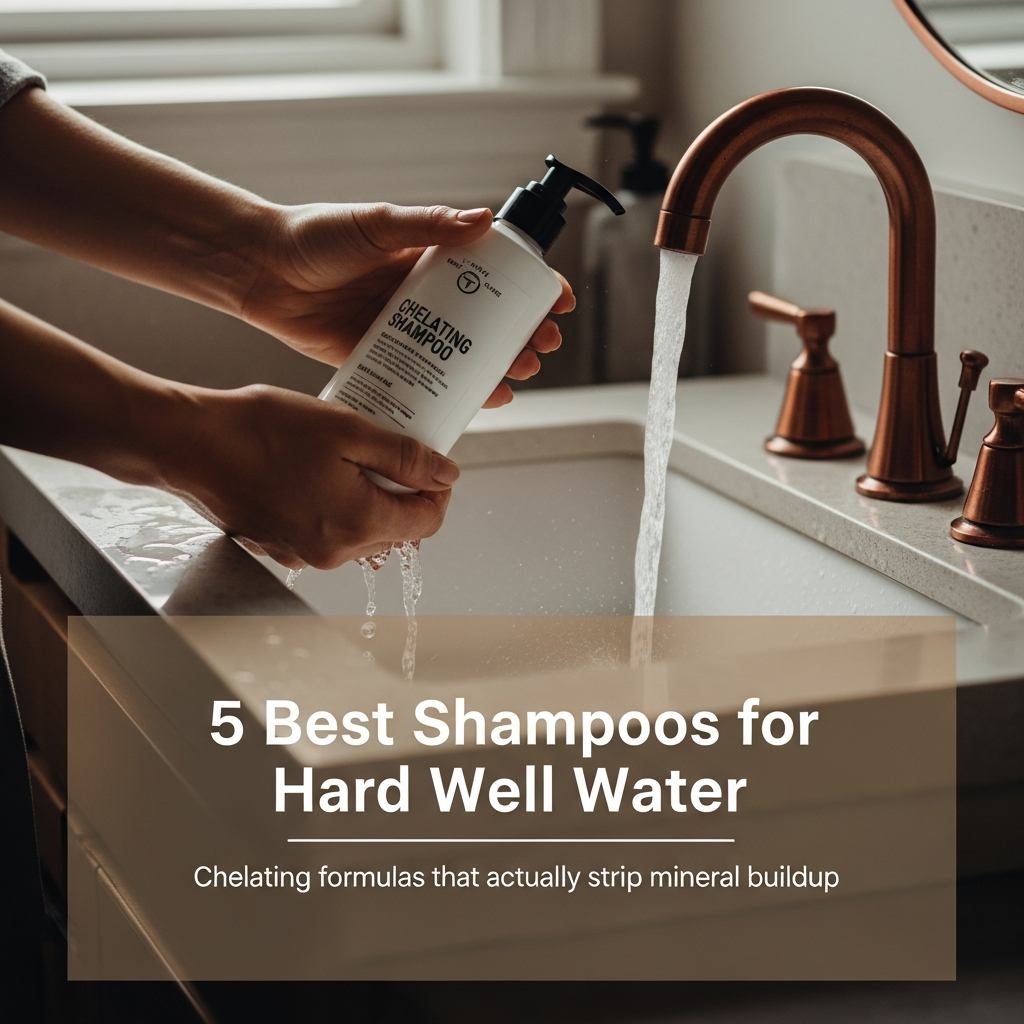
Chelating shampoo for hard well water: 5 products compared
Updated August 12, 2026 — 9 min read
For hard well water, compare the current ingredient label and the manufacturer’s positioning before choosing a shampoo. In this group, Malibu C and Ion identify their products for hard-water minerals; Paul Mitchell and Joico position clarifying shampoos for mineral or hard-water buildup; and Kinky-Curly identifies phytic acid for hard-water calcium and magnesium.
That is a hair-care workaround, not a water-treatment plan. If mineral buildup keeps returning, test your well water so you know whether hardness, iron, copper, or another issue is actually in the water.
Quick comparison: chelating shampoos for hard well water
This comparison uses current product pages, ingredient disclosures, directions, and directly listed prices checked August 12, 2026. Formula and price can change, so confirm the label and seller page before buying.
| Product | Listed product facts | Direct price shown |
|---|---|---|
| Malibu C Hard Water Wellness Shampoo | Disodium EDTA, citric acid, and sodium gluconate; sulfate-free; daily or as-needed directions | From $9.98 |
| Ion Hard Water Shampoo | Disodium EDTA, sodium gluconate, citric acid, and ascorbic acid; hard- and well-water mineral positioning | $10.99-$17.99 |
| Paul Mitchell Shampoo Three | Tetrasodium EDTA, trisodium HEDTA, and disodium EDTA; clarifying positioning | From $8.00 |
| Kinky-Curly Come Clean | Phytic acid for calcium and magnesium; sulfate-free positioning | $12.00 |
| Joico K-PAK Clarifying Shampoo | Pentasodium pentetate; hard-water, chlorine, and mineral positioning | Not listed on the brand page |
Prices above are the displayed U.S. prices on the linked first-party pages where a price was shown. They are not a price guarantee.
Chelating and clarifying labels: what the product pages say
The labels overlap in this comparison. Malibu C calls Hard Water Wellness a chelating shampoo and says its chelating agents bind calcium, magnesium, and iron. Kinky-Curly identifies phytic acid as its chelating ingredient for calcium and magnesium.
Paul Mitchell calls Shampoo Three a clarifying shampoo and says it removes chlorine, iron, minerals, and dulling buildup. Joico calls K-PAK a clarifying shampoo and positions it for hard water, chlorine, and minerals. Those pages show why “clarifying” alone does not tell you whether a product is or is not positioned for mineral-related buildup.
If your well water is making your hair feel rough or dull, compare the current ingredient disclosure and brand directions rather than relying on one label word.
The five picks, explained
1. Malibu C Hard Water Wellness Shampoo
Malibu C’s current product page calls it a chelating shampoo for hard-water buildup and lists disodium EDTA, citric acid, and sodium gluconate. The company also says the formula is sulfate-free and gives daily or as-needed use directions.
It is available in 3.4-, 9-, and 33.8-fluid-ounce sizes; availability can vary. Malibu C notes that formulations can change by time and region, so check the bottle when replacing an older product.
2. Ion Hard Water Shampoo
Ion is made specifically for hard and well water, according to its official Sally Beauty product page. That page lists disodium EDTA, sodium gluconate, citric acid, and ascorbic acid, and it offers 10.5- and 33.8-ounce sizes.
Sally Beauty lists the formula for daily use and for color-treated hair. It also lists Sodium C14-16 Olefin Sulfonate, so readers can compare the full current label with the other products.
3. Paul Mitchell Shampoo Three
Paul Mitchell positions Shampoo Three as a clarifying shampoo that removes chlorine, iron, minerals, and dulling buildup. Its published ingredient list includes tetrasodium EDTA, trisodium HEDTA, and disodium EDTA, alongside sodium lauryl sulfate.
The brand directs users to rinse and repeat as needed, then follow with deep conditioning. Its page displayed a starting price of $8.00 when checked; compare the current size selection before buying.
4. Kinky-Curly Come Clean
Kinky-Curly’s current product page identifies phytic acid as a chelating agent for hard-water calcium and magnesium. It also describes the shampoo as sulfate-free and gentle enough for everyday use.
The manufacturer calls phytic acid an alternative to EDTA. That is a product-positioning statement, not a basis for assuming these products will perform identically on every water supply.
5. Joico K-PAK Clarifying Shampoo
Joico describes K-PAK Clarifying Shampoo as a color-safe clarifier for hard water, chlorine, and minerals. Its published ingredient list includes pentasodium pentetate, and its directions say to apply to wet hair, leave it for two to five minutes, then rinse.
Joico’s U.S. page sends shoppers to retailers and did not display a direct price when checked. Check the current retailer listing and the package before buying.
How to choose without guessing
Start with the label, then your actual water problem.
- Compare whether the product page mentions hard-water minerals, then review the listed ingredients and directions.
- Check whether the brand distinguishes daily or as-needed use from a clarifying routine.
- Follow the product’s own directions and check the package when replacing an older bottle.
The hair clue is useful, but it does not identify the contaminant. Orange staining, green-toned blonde hair, or a sulfur odor each point to different possibilities. The beauty guide for well owners can help you sort the household signs, while how to read a water analysis report explains what a real test result means.
Shampoo manages the symptom; your water test directs the next step
Chelating shampoo can remove buildup from hair. It does not prove what is in your well water, make water safe to drink, or replace treatment chosen from a test result.
If you have recurring hard-water symptoms, begin with the step-by-step well-water testing guide. Then use the well-water filtration guide and salt-free conditioners vs. water softeners to understand treatment categories. The right equipment depends on the minerals and concentrations found in your water, not on which shampoo was most helpful.
Frequently asked questions
Is chelating shampoo different from clarifying shampoo for hard well water?
The product pages in this comparison use both labels. Malibu C and Kinky-Curly identify chelating ingredients, while Paul Mitchell and Joico position clarifying shampoos for minerals or hard water. Compare the current product page and ingredient list instead of treating one label as a performance guarantee.
What ingredients should I look for in a hard-water shampoo?
The products compared here disclose ingredients such as disodium EDTA, tetrasodium EDTA, trisodium HEDTA, sodium gluconate, citric acid, ascorbic acid, phytic acid, and pentasodium pentetate. Check the current package because formulas can change.
Can shampoo fix hard well water?
No. Shampoo is a hair-care product, not water treatment. Use a water test to identify the issue before deciding whether any household treatment is appropriate.
How often should I use chelating shampoo?
Follow the directions on the specific product. Some brands say their formula can be used daily, while others present their shampoo as a clarifying step before conditioning. Your hair type, color treatment, and the product’s directions matter more than a universal schedule.
Primary product sources checked
- Malibu C Hard Water Wellness Shampoo: positioning, price, sizes, ingredients, and directions.
- Ion Hard Water Shampoo at Sally Beauty: positioning, price, sizes, ingredients, and directions. Sally Beauty is the Ion brand’s first-party seller.
- Paul Mitchell Shampoo Three: positioning, price, sizes, ingredients, and directions.
- Kinky-Curly Come Clean Shampoo: positioning, price, phytic-acid claim, and sulfate-free claim.
- Joico K-PAK Clarifying Shampoo: positioning, pentasodium-pentetate ingredient disclosure, and directions.
Related guides
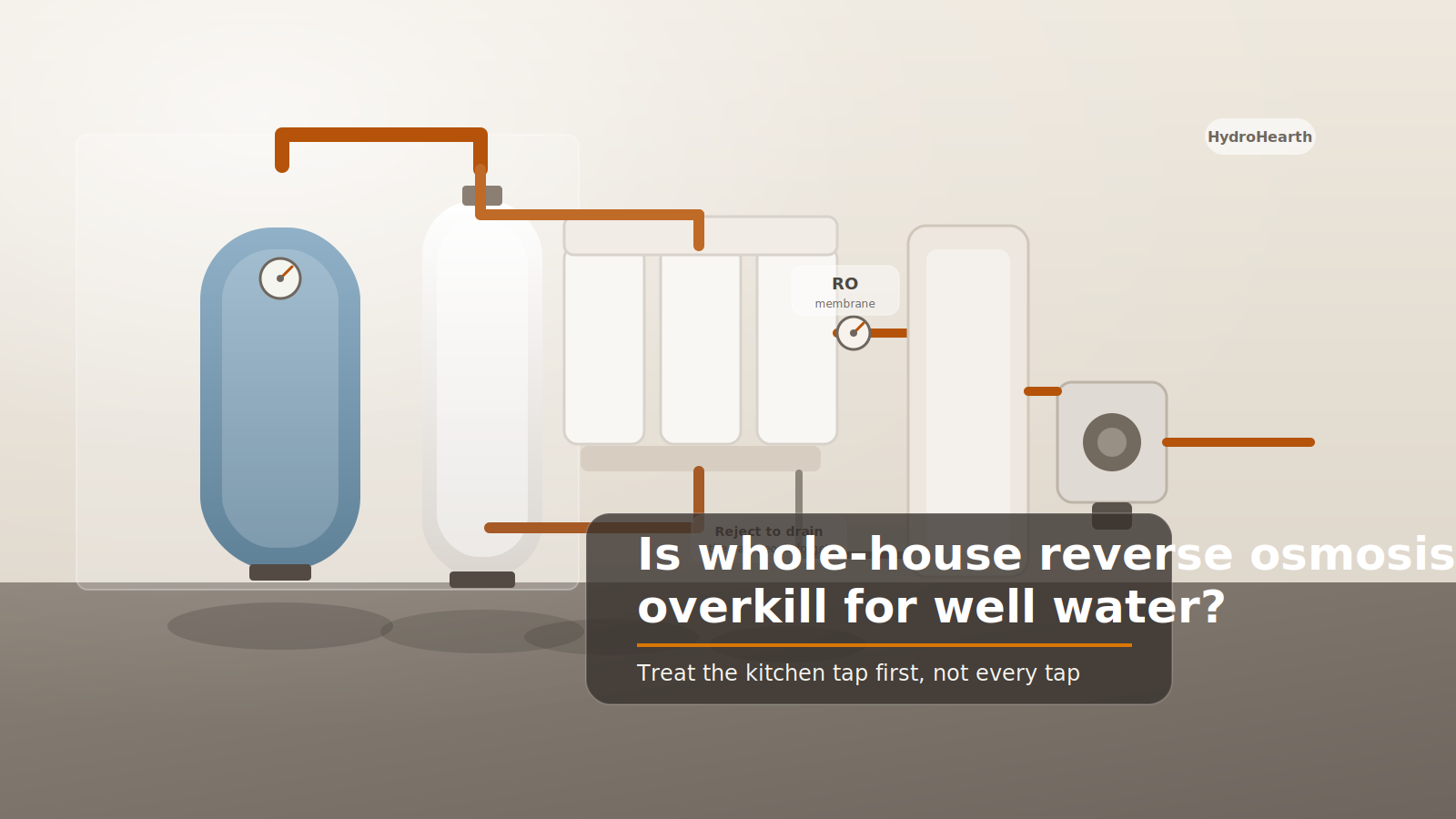
Is whole-house reverse osmosis overkill for well water?
Whole-house reverse osmosis makes sense on a few bad wells, but for most homes it is an expensive, high-waste answer to a one-tap problem.
7 min read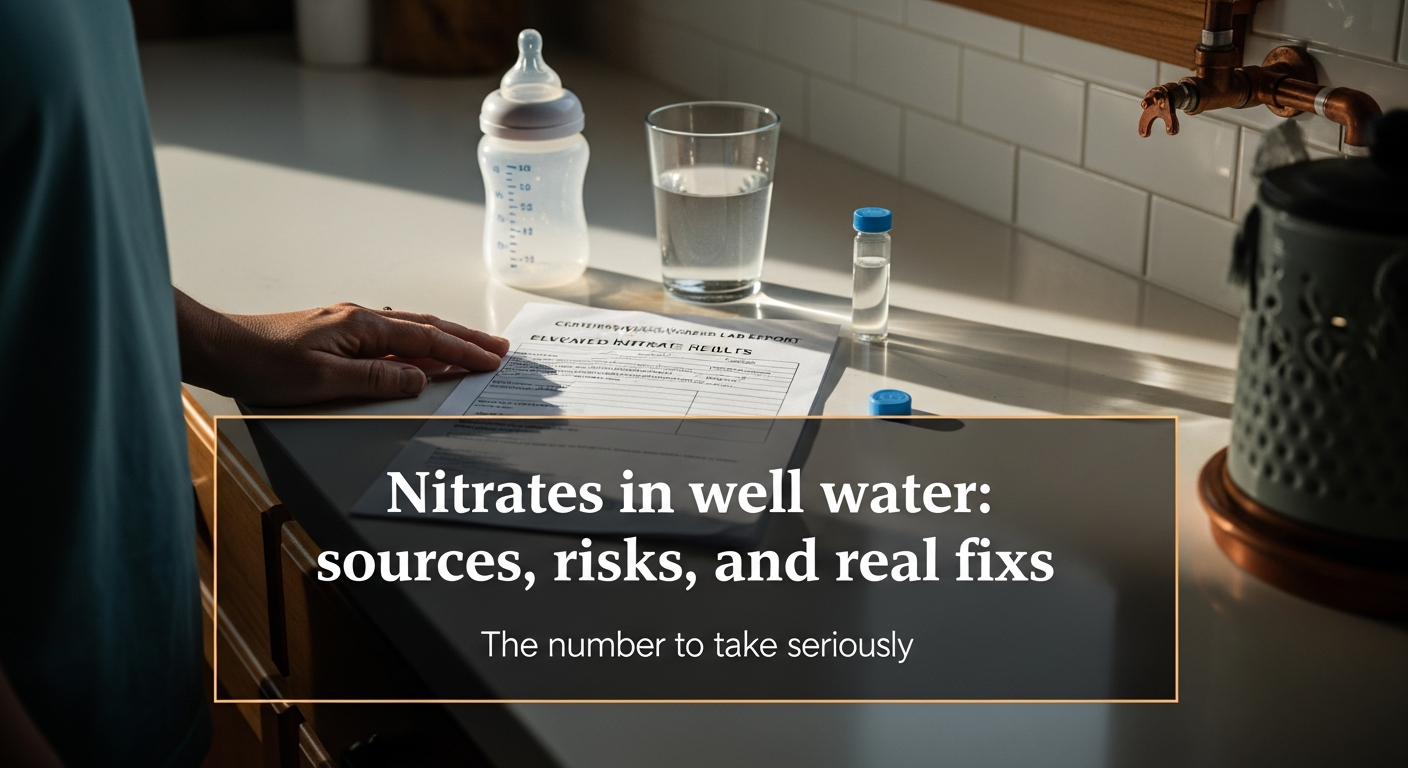
Nitrates in well water: sources, risks, and real fixes
Nitrates in well water are invisible and common in farm country. Here's how to read the lab result, protect infants, and choose treatment that actually removes nitrate.
9 min read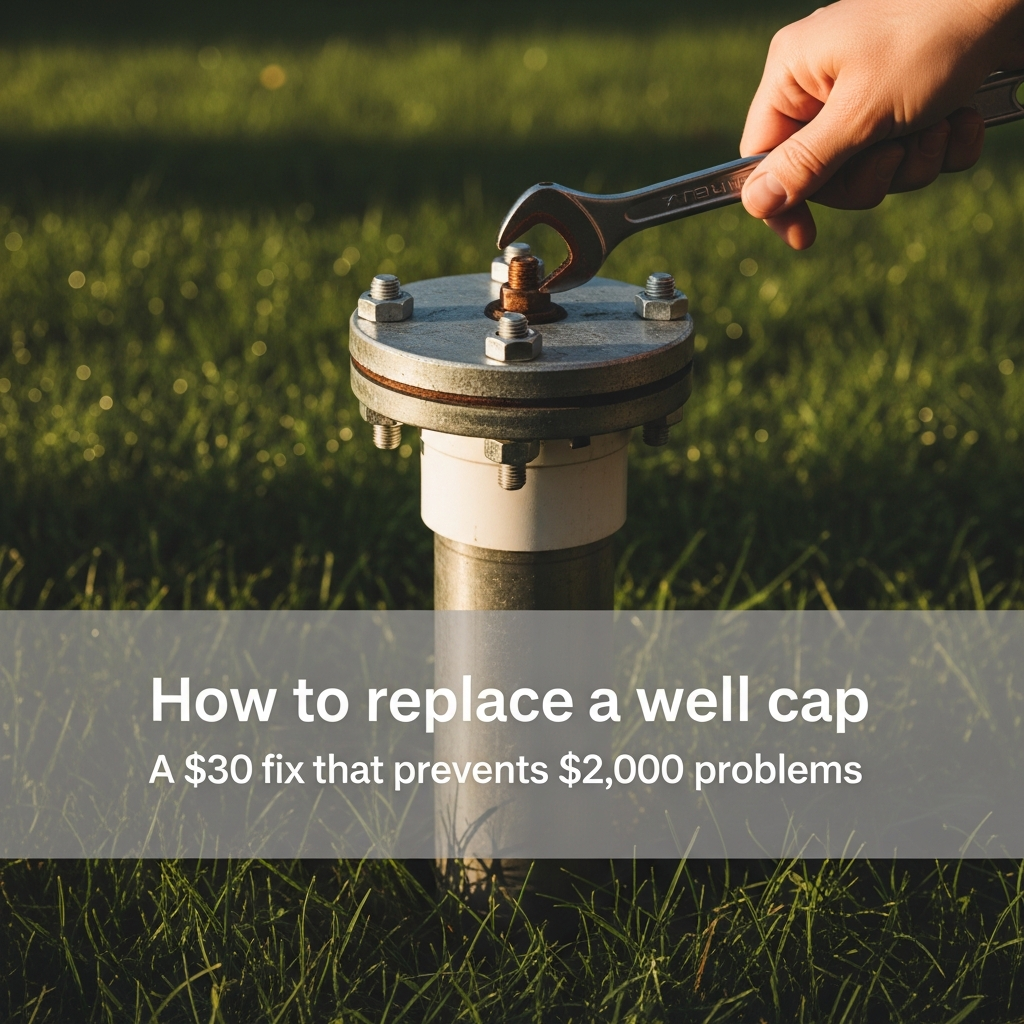
How to replace a well cap (and why a damaged cap is an emergency)
A cracked or loose well cap is the most common pathway for bacteria, insects, and surface water to enter your well. Here's how to inspect yours, measure for a replacement, and install it yourself.
6 min read