Diagnostics
How to read a water analysis report
A plain-English guide to the lab terms, units, and cutoff numbers that tell you whether a well water result is urgent, cosmetic, or mostly a plumbing problem.
9 min readNo water, low pressure, discoloration, strange sounds -- start here when something goes wrong with your well.
A plain-English guide to the lab terms, units, and cutoff numbers that tell you whether a well water result is urgent, cosmetic, or mostly a plumbing problem.
9 min read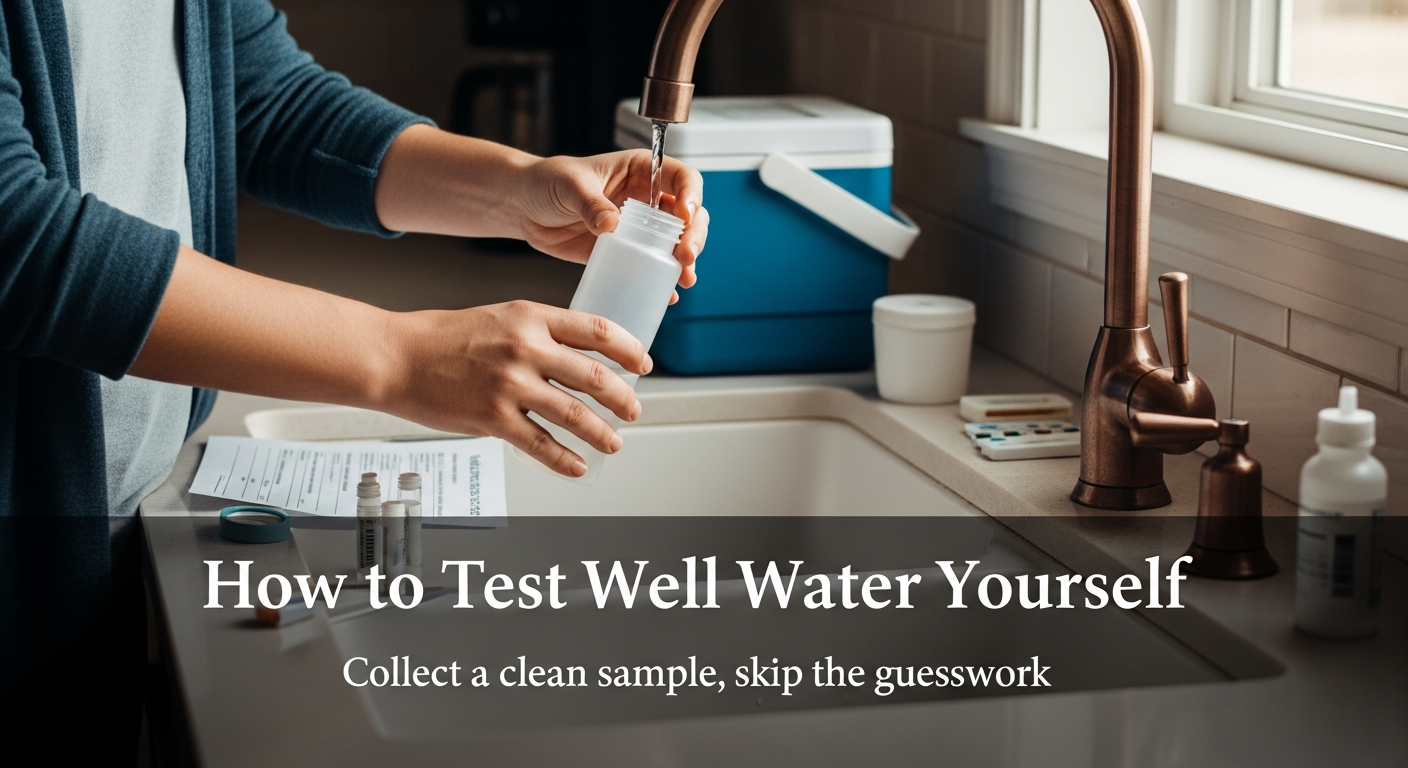
Use home strips for trend checks. Use your own hands to collect a clean sample for the lab when the result affects health or treatment decisions.
8 min read
Use a local certified lab for bacteria samples, real estate deadlines, and local guidance. Use a mail-in kit for convenience and broad baseline screening.
8 min read
A homeowner's guide to the contaminants private wells pick up most often, what each lab result means, and which treatment actually fits.
11 min read
Texas wells often run hard year-round, then get saltier and touchier in drought. Here's what to test and when a softener is not enough.
10 min read
If your private well is in New England, arsenic and radon belong on your testing list. Here's what to test, how state guidance differs, and what to do with the results.
10 min read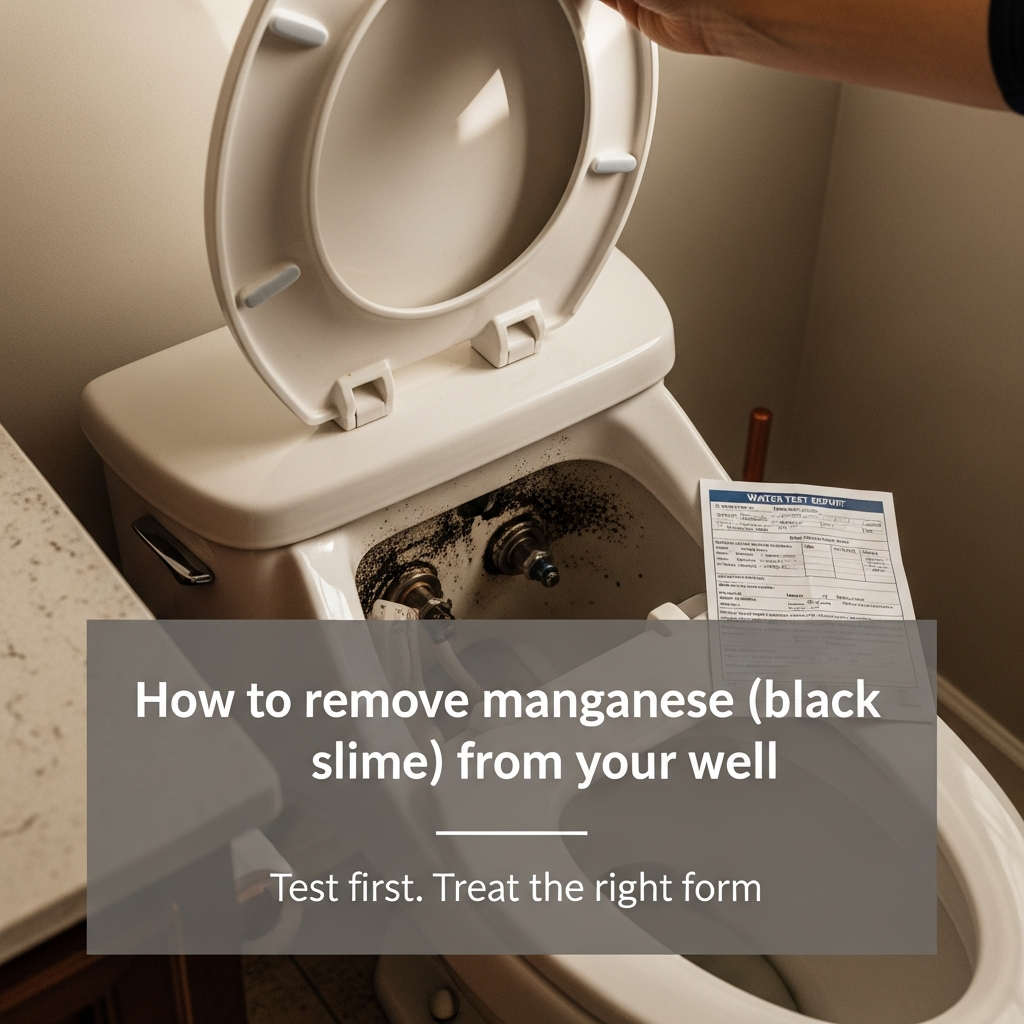
Black stains and black slime in well water usually point to manganese. Here's how to confirm it, when health guidance matters, and which treatment systems actually work.
10 min read
Nitrates in well water are invisible and common in farm country. Here's how to read the lab result, protect infants, and choose treatment that actually removes nitrate.
9 min read
Arsenic in well water is invisible and tasteless. Here's what 10 micrograms per liter means, why arsenic III vs. V matters, and which treatment methods actually work.
9 min read
Radon in well water is an invisible cancer risk that standard filters miss. Here's how aeration and GAC filtration compare on removal rates, costs, and the radioactive waste problem most installers won't mention.
10 min read
What to test for, how often, which labs and kits to use, and how to read the results. The private well owner's complete testing playbook.
14 min read
A positive coliform test means a contamination pathway exists, not that your water is toxic. Here's how to read the results, when to worry, and a step-by-step action plan.
10 min read
Hard well water deposits calcium, magnesium, and iron onto your hair, causing dryness, breakage, and discoloration. Here's how to identify mineral buildup and what actually fixes it.
8 min read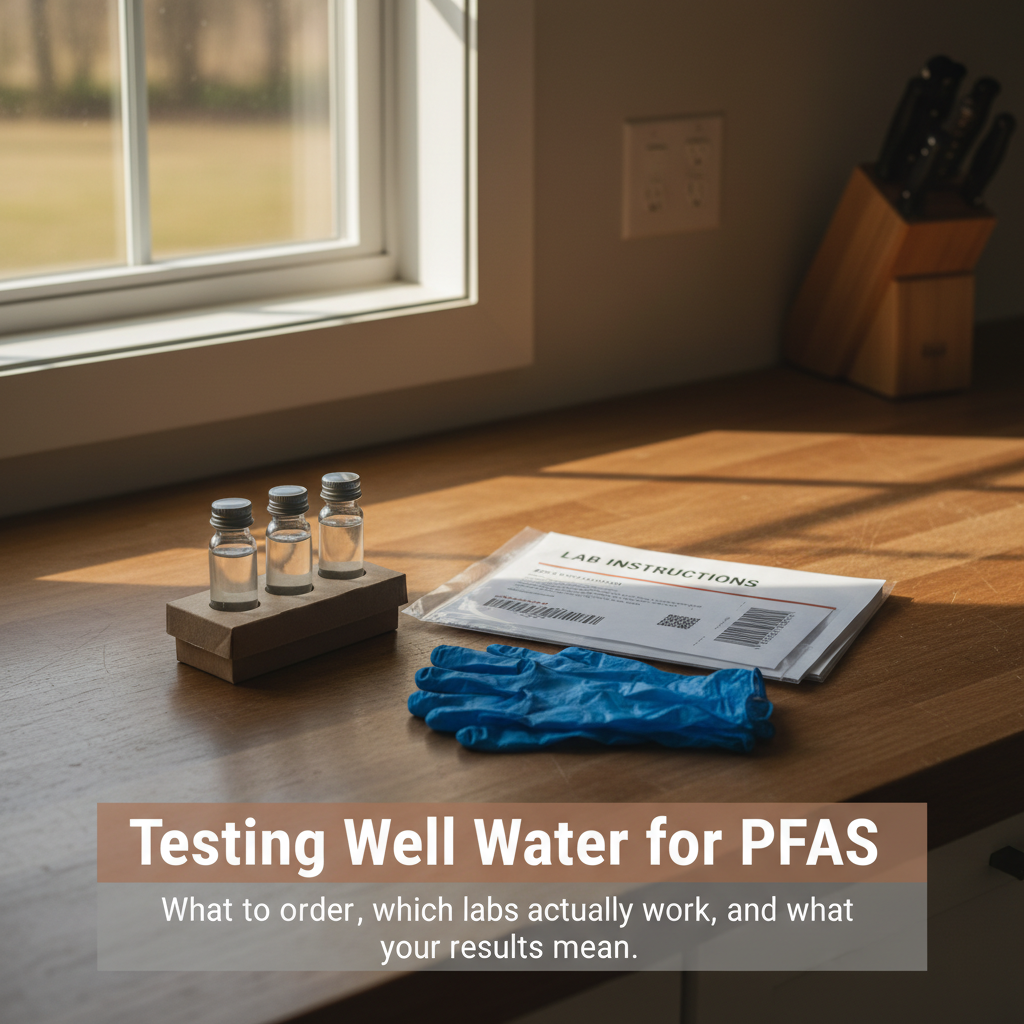
Standard well water tests don't detect PFAS. Here's how to test for forever chemicals, which lab kits actually work, what the results mean, and when you should be concerned.
11 min read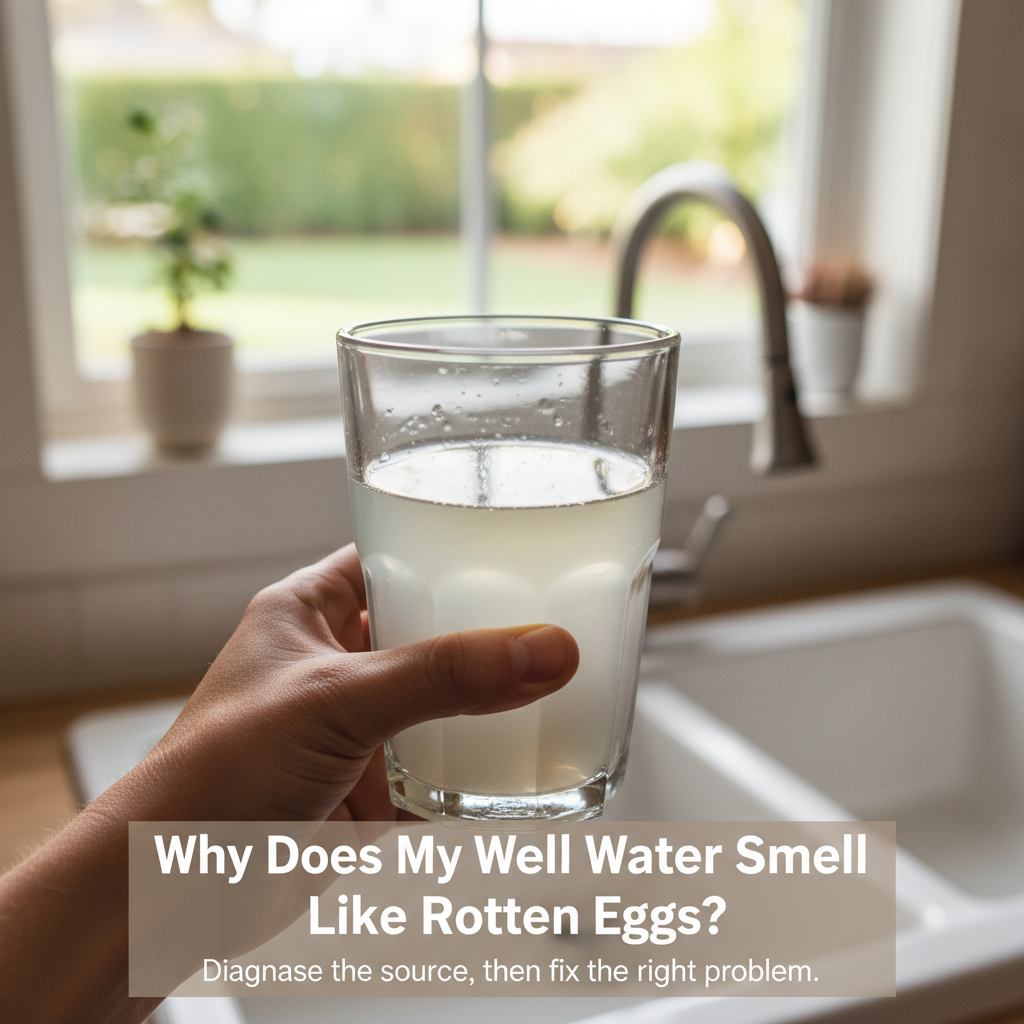
Hydrogen sulfide causes that rotten egg smell in well water. Here's how to diagnose whether it's sulfur bacteria, your water heater anode rod, or your well itself -- and the treatment that actually fixes each one.
10 min read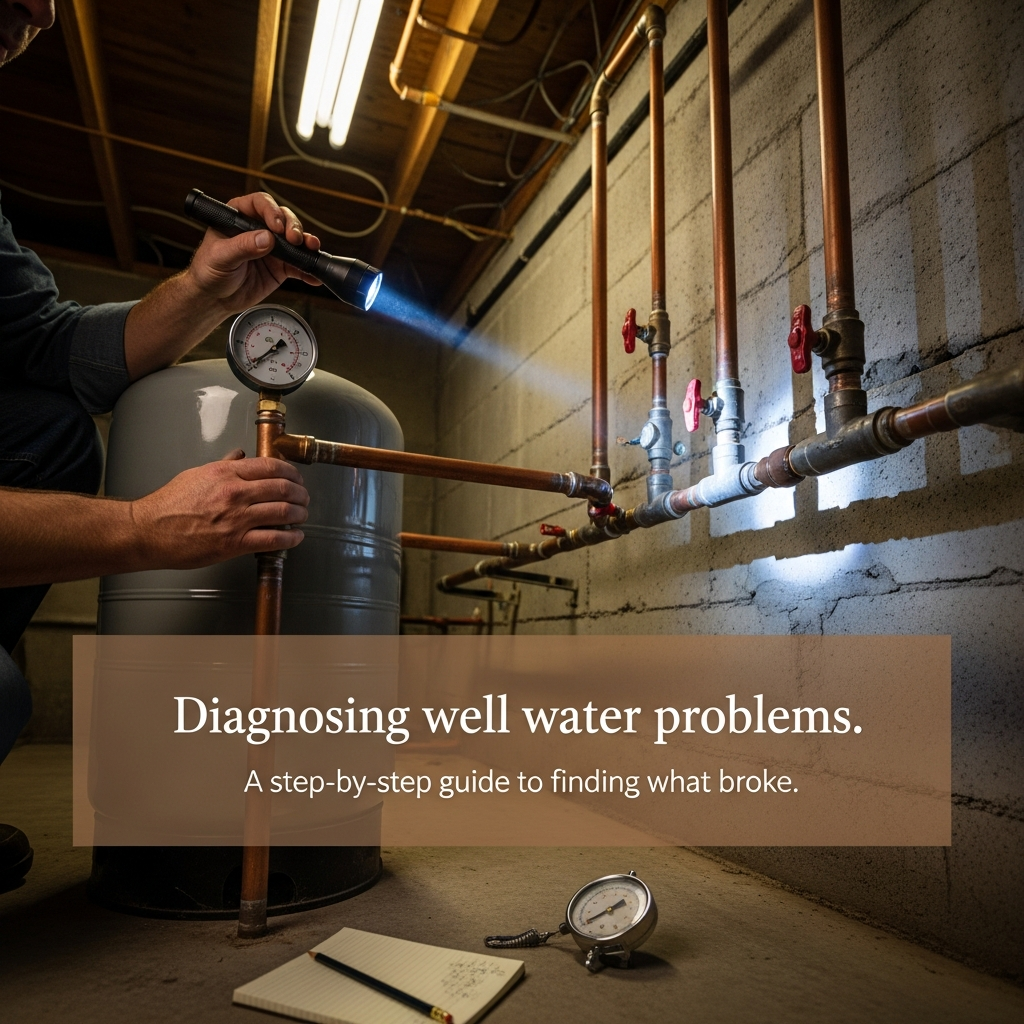
A diagnostic flowchart for every common well water symptom -- no water, low pressure, sputtering, brown water, sulfur smell (rotten eggs), and cycling pumps -- with step-by-step triage to identify whether it's the pump, tank, switch, or well itself.
12 min read